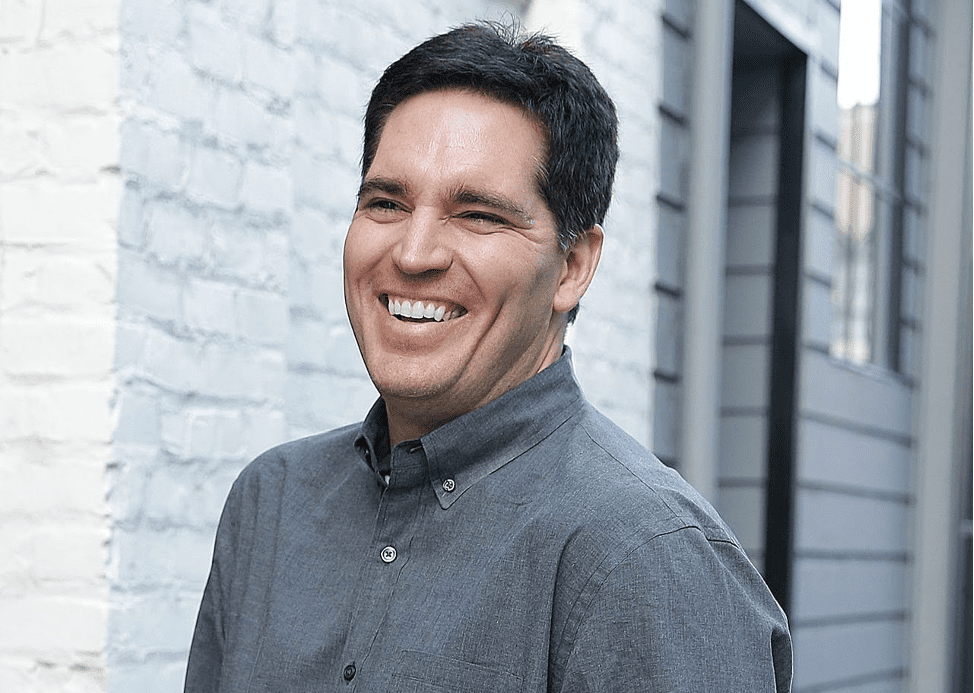
John Sayles has never been one to play it safe, and his new novel "Crucible" reinforces that. Released on January 20, 2026, by Melville House, the book examines Henry Ford not as a legend but as a man caught between power, fear, and control. The result makes history feel immediate and relevant.
Early readers have described it as bold and far-reaching, which feels fitting. This is not a subdued story about factories and cars. It is intense, layered, and filled with conflict. Sayles writes with clarity, showing how ambition and fear can shape systems and leave damage behind.
A City Built on Pressure
Detroit sits at the heart of "Crucible," and Sayles treats it like a living thing. The city pulses with energy, tension, and struggle as the story moves through the 1920s to the 1940s. Factories rise, workers flood in, and the gap between power and labor grows wider by the day.
Sayles does not romanticize this era. The award-winning filmmaker shows how Henry Ford fought to keep control when unions began to rise. Ford hires Black workers from the South, paying equal wages, but not out of fairness. It is a strategy, a way to weaken strikes and divide workers before they can unite.
At the same time, Ford unleashes Harry Bennett and his brutal Security Department. These men are not subtle, and they do not negotiate. They intimidate, attack, and silence anyone who threatens Ford’s grip on his empire. The result is a workplace filled with fear, where survival often depends on staying quiet.
Fordlandia, A Dream Gone Wrong
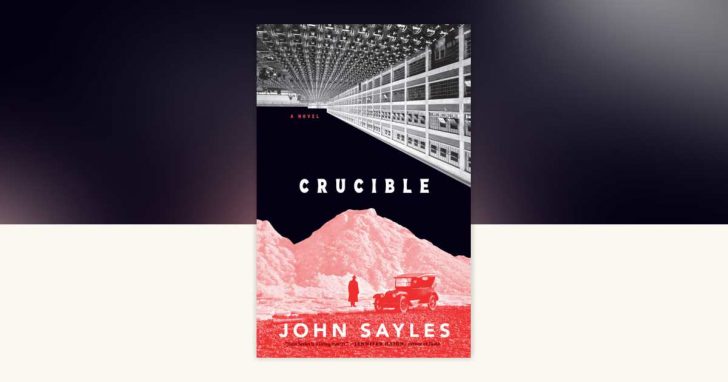
Penguin / If Detroit shows Ford’s power, Fordlandia shows his limits. In one of the novel’s most gripping threads, Sayles takes readers deep into the Amazon rainforest.
Ford buys massive land in Brazil, hoping to control rubber production for his cars.
What follows feels almost surreal, yet it is all rooted in real events. Ford refuses expert advice, including the need for a botanist. His rigid ideas about order and efficiency clash with the chaos of the jungle. Crops fail, disease spreads, and workers revolt over harsh conditions and strange rules.
Sayles leans into the darker humor of the situation while still holding onto its underlying tragedy. Fordlandia comes through as a symbol of overreach, a place where one man’s vision begins to fall apart under its own pressure.
A Chorus of Voices
One of the strongest elements of "Crucible" is its broad cast of characters. Sayles blends real figures with fictional ones, building a story that feels layered and alive. Henry Ford sits at the center, but he does not dominate the narrative.
We meet Edsel Ford, weighed down by his father’s expectations, and Diego Rivera, who views machines as signs of a changing world. Joe Louis appears as a powerful cultural presence, reflecting a shifting America. These real figures anchor the story, giving it depth and context.
The fictional characters bring something just as important. Workers, journalists, bootleggers, and rubber tappers show how large systems affect everyday lives. Sonia, a young woman with cerebral palsy, stands out. Her journey to find her voice adds a deeply human thread to a story filled with power struggles.
Power Then and Now
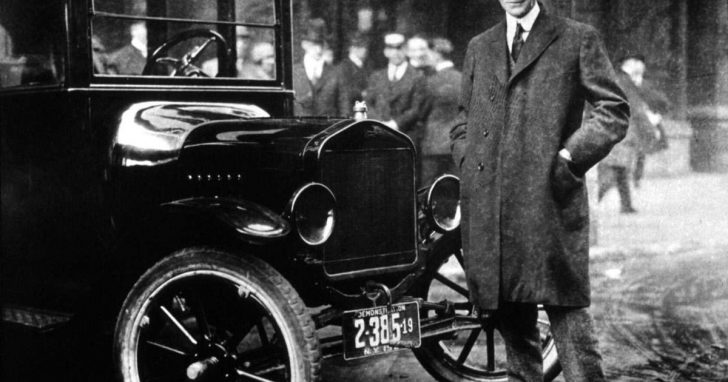
E Online / Sayles does not write history for its own sake. He draws clear lines between Ford’s era and today. The battles between workers and powerful institutions feel familiar, even decades later.
In interviews, the 75-year-old filmmaker and writer has talked about how new technologies, including AI, mirror the impact of the assembly line. They promise progress, but often bring job loss and uncertainty. This idea runs quietly through "Crucible," giving it a modern edge without feeling forced.
He also explores lesser-known history, like the Confederado colony in Brazil. These were Confederate supporters who moved to South America after the Civil War. Their presence adds another layer to the story.